
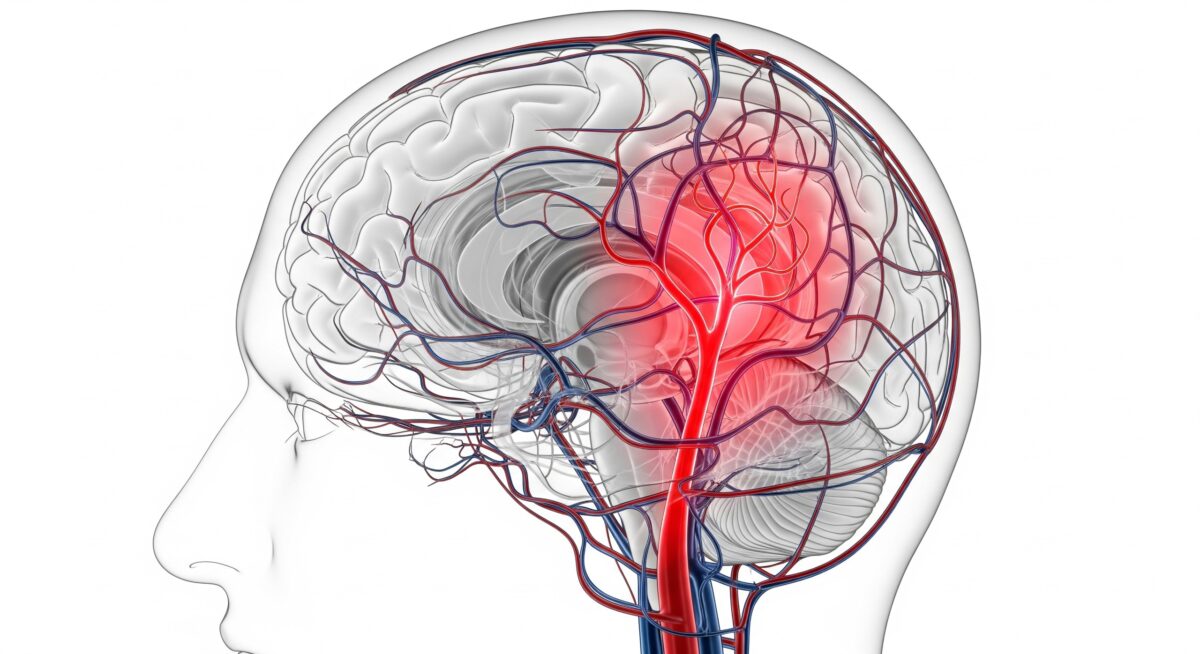
A recurrent stroke, also known as a second stroke, occurs when someone who has already experienced a stroke suffers another one. The risk of recurrent stroke is highest within the first few months after the initial event, but it can remain elevated for years without proper care. According to Dr. Vivek Gupta, understanding stroke recurrence risk factors and adopting effective stroke prevention strategies are essential steps in protecting long-term brain health and reducing the chances of a second stroke.
What Causes a Recurrent Stroke?
The causes of recurrent stroke are often linked to unresolved or poorly controlled medical conditions. If underlying risk factors are not managed properly, the likelihood of another stroke increases.
Common causes include:
- Uncontrolled high blood pressure
- Untreated atrial fibrillation
- Poorly managed diabetes
- High cholesterol levels
- Ongoing smoking habits
- Heart disease and blood clot formation
Identifying and addressing these issues is crucial for secondary stroke prevention.
Who Is at Higher Risk for Stroke Recurrence?
Certain individuals face a higher risk of second stroke due to medical and lifestyle factors.
- People with High Blood Pressure
High blood pressure and stroke are closely connected. Persistent hypertension damages blood vessels, increasing the chance of blockages or bleeding in the brain.
- Patients with Diabetes
Diabetes and stroke risk are strongly linked. Elevated blood sugar levels damage blood vessels and raise the likelihood of clot formation.
- Individuals with Heart Conditions
Conditions such as atrial fibrillation significantly increase stroke recurrence risk. Irregular heart rhythms can lead to blood clots that may travel to the brain.
- Those with High Cholesterol :
Cholesterol and stroke risk go hand in hand. Excess cholesterol can cause plaque buildup in arteries, restricting blood flow to the brain.
- Stroke or TIA Survivors
People who have experienced a transient ischemic attack (TIA) warning sign or a previous stroke are naturally at higher risk of another event.
How to Prevent a Second Stroke
Preventing recurrent stroke requires a comprehensive and consistent approach. Effective stroke prevention strategies include:
- Strict blood pressure control
- Proper diabetes management
- Taking prescribed blood thinners or antiplatelet medications
- Maintaining healthy cholesterol levels
- Quitting smoking
- Following a heart-healthy diet
- Engaging in regular physical activity
- Attending regular neurologist consultations
Post-stroke care and lifestyle changes after stroke play a critical role in reducing long-term risks.
The Importance of Ongoing Monitoring
Stroke recovery and prevention do not end after hospital discharge. Continuous monitoring, medication adherence, and regular medical follow-ups are essential. Early intervention at the first sign of symptoms can significantly reduce complications.
If you or a loved one has experienced a stroke, timely evaluation and personalized prevention planning are vital. Consult us for a comprehensive assessment and advanced stroke prevention care to safeguard your brain health.
Comments 0