
Categories
Uncategorized

Spinal Vascular Malformations

Spinal vascular malformations are a group of blood vessel disorders that may cause acute or long-lasting spinal cord dysfunction. These are rare malformations but may cause severe complications if left untreated.
Some common spinal vascular malformations include arteriovenous malformations, capillary telangiectasis, arteriovenous fistula, and cavernous malformations.
Let’s understand more about them:

Arteriovenous malformation (AVM)

Before we move ahead, let’s quickly understand about AVM.
Arteriovenous malformation (AVM) is a tangle of abnormal blood vessels connecting veins and arteries.
Typically, blood flows from the heart to the arteries, which get smaller until they turn into capillaries. Nutrients and oxygen exchange takes place in the capillaries. The blood then passes from capillaries to your heart through veins.
But in AVM, arteries directly connect to veins, without capillaries in between, and form a knot of blood vessels. This creates an area of high pressure. The veins cannot take this pressure and enlarge and bulge to accept extra blood.

Spinal Dural Arteriovenous Fistulas

They are the most common of all spinal vascular malformations, contributing to about 70% of these cases. It is seen more in middle to old, aged men and is believed to be acquired condition.
This condition is characterized by an abnormal connection between arteries and veins in the dura, which is the outer covering of your spinal cord. This abnormal connection causes the high-pressure arterial blood to drain in the low-pressure veins. The veins are not able to drain the blood efficiently and pressure in them rises. This elevated pressure hampers the blood supply to the spinal cord and it progressively gets damaged.
These lesions usually do not rupture. Endovascular treatment and open surgery are both good treatment option for them, however these days endovascular treatment is being preferred because of relatively less morbidity.

Spinal Arteriovenous Malformations

Spinal arteriovenous malformation (AVM), or glomus AVM, is a condition characterized by an abnormal connection between arteries and veins in the substance of the spinal cord. These connections occur in a specific collection of abnormal blood vessels, known as the AVM nidus.
These malformations contribute to 20% of spinal vascular malformation cases. It is seen more commonly in children and young individuals. Spinal AVM can rupture and bleed into the spinal fluid, resulting in a sudden weakness in your extremities.

Juvenile Arteriovenous Malformations

These malformations usually occur in the spinal bone, spinal cord, or dural covering of the spine. Juvenile AVMs are seen to form in early development and are present at birth. These malformations have a high flow and are large, making it challenging to treat them.

Pial Spinal Arteriovenous Fistulas

These malformations occur between an artery and vein on the spinal cord surface. These are extremely rare lesions and usually diagnosed when a vein has enlarged due to high pressure and compresses the spinal cord. More often the veins become engorged with increased blood flow and the blood supply to the cord is impaired causing it to dysfunction.
Categories
Uncategorized

Stroke Prevention

A stroke is a condition where the blood supply to a part of your brain is reduced or interrupted, lowering oxygen and nutrient supply to that part. As brain cells can die within minutes, it is an emergency, and immediate treatment is essential. This helps to prevent brain damage and complications. Fortunately, it is possible to prevent stroke by making some lifestyle changes. If you had a stroke before, these modifications would avoid the risk of its recurrence.
Here are a few lifestyle changes that can help:

Consuming A Healthy Diet

An unhealthy diet can increase your cholesterol and blood pressure levels, which are risk factors for stroke.
A high-fiber and low-fat diet with plenty of fresh fruits and vegetables and whole grains are seen to be protective against stroke. Besides, you should also limit your salt intake to no more than 6g a day.

Being Physically Active

A healthy diet and exercise are the best way to maintain a healthy weight and prevent high cholesterol levels and hypertension. For most people, 30 minutes of moderate-intensity exercises a day for most days of the week or 150 minutes a week have a beneficial effect. However, if you are recovering from a stroke, it is best to discuss your exercise plan with your rehabilitation team.

Quit Smoking

Smoking increases the tendency of your blood to clot and narrows your arteries, increasing the risk of stroke. You can reduce this risk by stopping smoking. Besides, not smoking will also boost your health and reduce the risk of complications such as heart diseases and lung cancer.

Curb Your Alcohol Intake

Consuming alcohol in excess increases your blood pressure or causes irregular heartbeats, which are risk factors for stroke. Moreover, alcoholic drinks have high calories and trigger weight gain. It is seen that heavy drinking may increase your risk of stroke by 3 times. Abstinence from alcohol is best way to avoid these issues. However, if one must, no more than one drink a day should be taken. However, if you have not yet recovered from a stroke, it is best to avoid it.

Managing Stress

It is impossible to avoid stress but it can be managed. Stress though will not cause stroke directly, but it makes one prone to diseases like cardiac conditions, smoking, unhealthy eating etc. which in turn can lead to stroke. We should try to identify our stress triggers and learn to avoid them. Fifteen minutes of meditation every day also helps in managing the stress.

Treating Underlying Conditions

If you are diagnosed with any health condition that increases your risk for stroke, such as hypertension, diabetes, increased cholesterol or cardiac condition treating it will significantly lower the incidence of stroke. Lastly, if the lifestyle changes fail to manage health conditions that may increase your tendency for stroke, your doctor may advise medications. For instance, cholesterol-lowering medications if your cholesterol levels are higher despite the lifestyle modifications.

Categories
Uncategorized

What Procedures Do Interventional Radiologists Do?

Interventional radiology is a medical specialization offering a range of imaging procedures to get images of inside your body. The interventional radiologist carefully analyzes these images to diagnose the condition and perform a range of interventional procedures.

There are multiple applications of interventional radiology. Some common ones include:

  • Embolization: It aids in stopping bleeding or hemorrhage. To embolize, the interventional radiologist inserts embolic agents through the catheter into the blood vessels. These agents prevent or block the blood supply to the area.
  • Angiography: This procedure is used to find narrowing or blockage of vessels. If the blockage is present, it is often treated with interventional radiology procedures such as angioplasty.
  • Needle biopsy: It helps diagnose a condition by offering analysis of the tissue. Imaging techniques guide the introduction of a needle to obtain tissue for biopsy.
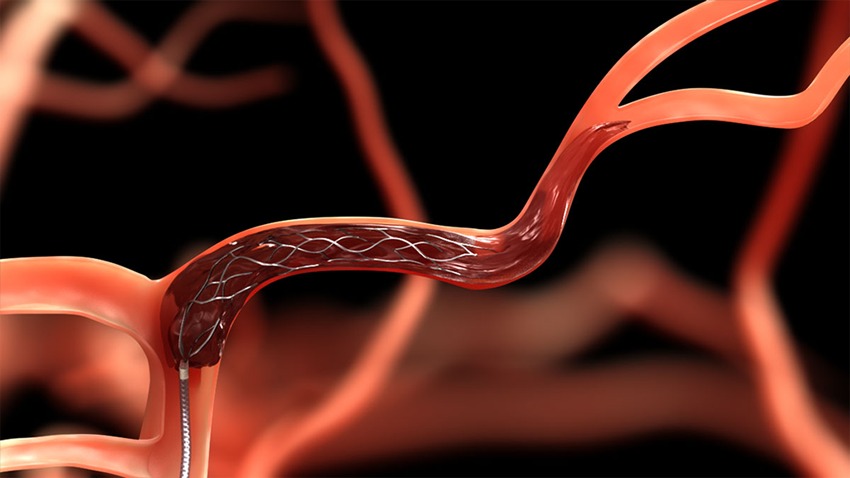
  • Stent placement: This procedure aids in the opening of a blockage. A stent, which is a small coil, is inserted inside a blood vessel and expanded at the site of the blockage.

The procedures can be divided into the following three main categories:

Vascular Interventional Radiology

Interventional radiology is an excellent option for patients suffering from pain or life-threatening conditions. Some arterial diseases that may benefit from IR peripheral artery disease, aneurysms, and arterio-venous malformation.

In such cases, interventional radiologists may help manage symptoms by sealing off an aneurysm or restore blood flow in blocked arteries.

Some common procedures are:

  • Peripheral vascular disease stenting and angioplasty
  • Endoleak embolization
  • Visceral artery embolization

Neuro Interventional Radiology

It involves endovascular treatment of arteriovenous malformation and aneurysm in the brain and stroke. The endovascular devices are inserted through peripheral vessels where they open blockages or stop bleeding.

Non-Vascular Interventional Radiology

It is also known as interventional oncology, but it can also be useful for benign conditions. Non-vascular IR therapies are used to:

  • Treat cancer
  • Relieve effects of cancer on other systems such as liver or kidneys
  • Place feeding tubes
  • Drain collection of pus or fluid in the abdomen or chest
  • To manage collapsed spinal bones

Some common procedures include:

  • Kidney, liver, and other tumor therapies
  • Tumor therapies
  • Uterine fibroid therapies