Categories
Uncategorized

Brain Aneurysm Post-Treatment Care: Do’s and Don’ts

Recovering after brain aneurysm treatment is a crucial phase that significantly influences long-term brain health and overall quality of life. Whether the aneurysm was treated through surgical clipping or an endovascular procedure such as coiling, the brain needs time, protection, and structured care to heal effectively. As emphasized by Dr. Vivek Gupta, understanding the right practices to follow—and habits to avoid—can help patients recover safely and reduce the risk of complications.

Why Post-Treatment Care Matters After a Brain Aneurysm

Brain aneurysm treatment addresses the immediate risk of rupture, but recovery continues long after the procedure. The brain is sensitive during the healing phase, and even minor stressors can impact recovery. Proper post-aneurysm care helps prevent neurological complications, supports cognitive recovery, and promotes long-term brain stability.

Do’s After Brain Aneurysm Treatment

Following recommended care guidelines can make a meaningful difference in recovery.

1. Attend All Follow-Up Appointments

Regular follow-ups allow doctors to monitor healing, assess neurological function, and ensure the treated aneurysm remains stable.

2. Take Prescribed Medications Consistently

Medications may be given to manage blood pressure, prevent seizures, or control pain. Following the ns is essential for brain recovery.

3. Prioritize Rest and Sleep

Adequate rest supports brain healing and reduces fatigue, headaches, and cognitive strain.

4. Resume Activities Gradually

Light daily activities can be reintroduced slowly, based on medical advice, to avoid overloading the brain during recovery.

5. Maintain a Balanced, Nutritious Diet

Proper nutrition supports brain function, energy levels, and overall healing.

Don’ts After Brain Aneurysm Treatment

Certain activities and habits can interfere with recovery and should be avoided.

1. Do Not Ignore New or Worsening Symptoms

Severe headaches, vision problems, confusion, weakness, or seizures require immediate medical attention.

2. Avoid Heavy Physical Strain

Strenuous exercise, heavy lifting, or sudden exertion can increase pressure and should be avoided until cleared by a doctor.

3. Do Not Skip Medications or Follow-Ups

Missing medications or appointments may increase the risk of complications or delayed recovery.

4. Avoid Smoking and Alcohol

Both can negatively affect brain healing and increase the risk of future neurological problems.

Long-Term Brain Health After Aneurysm Treatment

Recovery does not end once the initial healing phase is over. Long-term brain health depends on consistent follow-up care, stress management, cognitive rest, and lifestyle adjustments. Emotional well-being is also important, as anxiety or mood changes can occur after brain aneurysm treatment. Seeking support when needed can help improve overall recovery and confidence.

Every patient’s recovery timeline is different, but informed care choices play a powerful role in long-term outcomes.

Recovering after a brain aneurysm? Please consult us for expert post-treatment care and personalized guidance to support safe recovery and long-term brain health.

Categories
Uncategorized

Can Stress Trigger a Stroke? Understanding the Link

Stroke is a leading cause of disability and requires urgent medical attention. While high blood pressure, diabetes, and lifestyle factors are well-known risks, chronic stress is increasingly recognized as a potential trigger. Dr. Vivek Gupta highlights that understanding the link between stress and stroke can help you take proactive steps to protect your brain and overall health.

How Stress Affects Stroke Risk

Chronic stress can impact the heart and brain in several ways, increasing the likelihood of a stroke.

  1. Chronic stress can raise blood pressure, a major risk factor for stroke
  2. Increases inflammation and oxidative stress in blood vessels
  3. Can cause unhealthy habits like poor diet, smoking, or alcohol use
  4. Triggers hormonal imbalances that affect heart and brain function
  5. Long-term stress may contribute to the development of atherosclerosis

Types of Stress That Impact Stroke Risk

Different forms of stress can affect your vascular health differently.

  1. Emotional Stress: Anxiety, grief, or prolonged worry can affect heart and brain health
  2. Work-related Stress: High-pressure jobs or long working hours increase vascular strain
  3. Physical Stress: Illness, sleep deprivation, or extreme physical exertion can trigger stroke in vulnerable individuals

Signs Stress May Be Affecting Your Brain and Heart

Stress often manifests physically before serious complications arise.

  1. Persistent headaches or migraines
  2. Rapid heartbeat or palpitations
  3. Elevated blood pressure readings
  4. Difficulty concentrating or memory lapses
  5. Fatigue, irritability, or mood swings

Strategies to Reduce Stress and Lower Stroke Risk

Adopting practical stress management techniques can protect your brain and heart.

  1. Regular Exercise: Walking, yoga, or swimming improves blood circulation and lowers stress hormones
  2. Healthy Diet: Foods rich in antioxidants, whole grains, and omega-3 fatty acids support vascular health
  3. Mindfulness Practices: Meditation, deep breathing, and relaxation techniques reduce mental strain
  4. Adequate Sleep: 7–9 hours of quality sleep restores hormonal balance and cardiovascular function
  5. Professional Support: Counselling or therapy helps manage chronic stress effectively

Take Charge of Your Vascular Health

Managing stress and maintaining healthy habits can significantly reduce your stroke risk.

Stress is not just a mental concern—it has real consequences on the heart and brain, increasing the risk of stroke. Incorporating stress management techniques and healthy lifestyle habits can protect your vascular health and reduce stroke risk.

For expert guidance on stroke prevention and personalized stress management strategies, consult us and safeguard your brain and heart health.

Categories
Uncategorized

The Link Between Genetics and Stroke Risk

Stroke is a life-threatening condition that affects millions worldwide. While lifestyle factors like diet, exercise, and smoking are well-known contributors, genetics can also play a significant role. According to Dr. Vivek Gupta, understanding your hereditary risk can help you take proactive steps to prevent stroke and safeguard brain health.

Genetic Factors That Influence Stroke Risk

Certain inherited traits can increase your vulnerability to stroke.

  1. Family History of Stroke:

If close relatives, such as parents or siblings, have experienced a stroke, your risk may be higher due to shared genetic predispositions.

  1. Blood Clotting Disorders:

Some genetic mutations affect clotting proteins, making it easier for clots to form and block blood flow to the brain.

  1. Cholesterol and Blood Pressure Genes:

Inherited factors can affect cholesterol metabolism or blood pressure regulation, both of which are critical in stroke development.

Can Stroke Be Hereditary?

Understanding heredity helps you take preventive action.

  1. Partial Inheritance:

Genetics may increase susceptibility, but stroke is not entirely hereditary. Environmental and lifestyle factors also play a major role.

  1. Combined Risk Factors:

Having a genetic predisposition along with unhealthy habits like smoking, poor diet, or inactivity significantly raises stroke risk.

Early Detection and Genetic Testing

Proactive testing can help identify high-risk individuals early.

  1. Genetic Screening: Modern tests can detect markers indicating predisposition to clotting disorders, high cholesterol, or hypertension.
  2. Preventive Action: Early detection allows doctors to recommend personalized interventions, including lifestyle changes or medication, to lower risk.

Lifestyle Changes to Reduce Genetic Stroke Risk

Even with a family history, simple habits can reduce your risk.

  1. Maintain a Healthy Diet: A diet low in salt and rich in fruits, vegetables, and whole grains helps control blood pressure and cholesterol.
  2. Stay Active: Regular exercise improves circulation, reduces blood pressure, and supports overall vascular health.
  3. Avoid Smoking and Limit Alcohol: Both smoking and excessive alcohol intake increase stroke risk.
  4. Regular Health Check-Ups: Monitor blood pressure, cholesterol, and blood sugar levels to catch problems early.

The Importance of Awareness

Knowing your risk empowers you to take control of your health.

  1. Monitor Family History: Keep track of stroke incidents in your family to understand your hereditary risk.
  2. Take Preventive Steps: Combining genetic knowledge with healthy lifestyle habits dramatically reduces the likelihood of stroke.
  3. Consult Experts: Professional guidance can help tailor prevention strategies to your individual risk profile.

Genetics plays a role in stroke risk, but it is not the only factor. Awareness, early detection, and lifestyle modifications can significantly reduce your chances of stroke. Consult us for personalized stroke risk assessment and prevention strategies to protect your vascular health.

Categories
Uncategorized

How Diabetes Increases Stroke Risk

Diabetes is a chronic condition that affects how the body processes blood sugar (glucose). While most people associate it with complications like nerve damage, kidney disease, or vision loss, fewer are aware of the serious connection between diabetes and stroke risk. According to Dr. Vivek Gupta, understanding this link is crucial, as stroke is one of the most severe complications of diabetes. Uncontrolled diabetes also significantly increases the risk of a second stroke if attention is not given to sugar control after the first stroke. Early awareness and management can significantly reduce the risk.

The Connection Between High Blood Sugar and Stroke

The primary reason diabetes increases stroke risk is due to prolonged high blood sugar levels. Over time, elevated glucose levels damage the inner lining of blood vessels, making them more prone to narrowing, blockage, or rupture—conditions that can lead to a stroke.

People with diabetes often also have other contributing stroke risk factors, such as high blood pressure, abnormal cholesterol levels, and obesity, all of which further strain the cardiovascular system. This cumulative burden can significantly increase the risk of both ischemic strokes (caused by blocked arteries) and hemorrhagic strokes (caused by ruptured blood vessels).

Vascular Complications of Diabetes

Diabetes leads to vascular complications that affect both large and small blood vessels. When blood vessels in the brain are damaged, it can impair blood flow and oxygen supply, both of which are critical elements for brain function. This makes the neurological effects of diabetes particularly dangerous, with stroke being a potential life-threatening event.

Moreover, type 2 diabetes and stroke are often connected through insulin resistance and inflammation, which further weaken the integrity of blood vessels.

Warning Signs and Prevention

People living with diabetes need to be aware of stroke warning signs, such as:

  1. Sudden numbness or weakness (especially on one side of the body)
  2. Difficulty speaking or understanding speech
  3. Sudden loss of balance or coordination
  4. Severe headache with no known cause

Early detection and quick action can make a critical difference in outcomes.

Managing Stroke Risk with Diabetes

The good news is that with careful management, the risk of stroke can be significantly reduced. Here are a few key strategies:

  1. Monitor Blood Sugar Regularly: Keep glucose levels within the target range.
  2. Manage Blood Pressure and Cholesterol: These are major contributors to stroke in diabetics.
  3. Stay Physically Active: Regular movement improves cardiovascular and brain health.
  4. Eat a Balanced Diet: Whole grains, vegetables, lean proteins, and healthy fats support overall health.
  5. Routine Health Checks: Regular check-ups help track progress and adjust treatment plans.

By taking a proactive approach, individuals with diabetes can greatly lower their chances of stroke and maintain a better quality of life.

Concerned about stroke risk with diabetes? Get personalized advice and care from our experts—call us to schedule your consultation.

Categories
Uncategorized

September is Brain Aneurysm Awareness Month: Understanding, Preventing, and Responding to a Silent Threat

Every September, worldwide, we observe Brain Aneurysm Awareness Month — a time dedicated to educating people about a condition that is often silent until it becomes life-threatening.

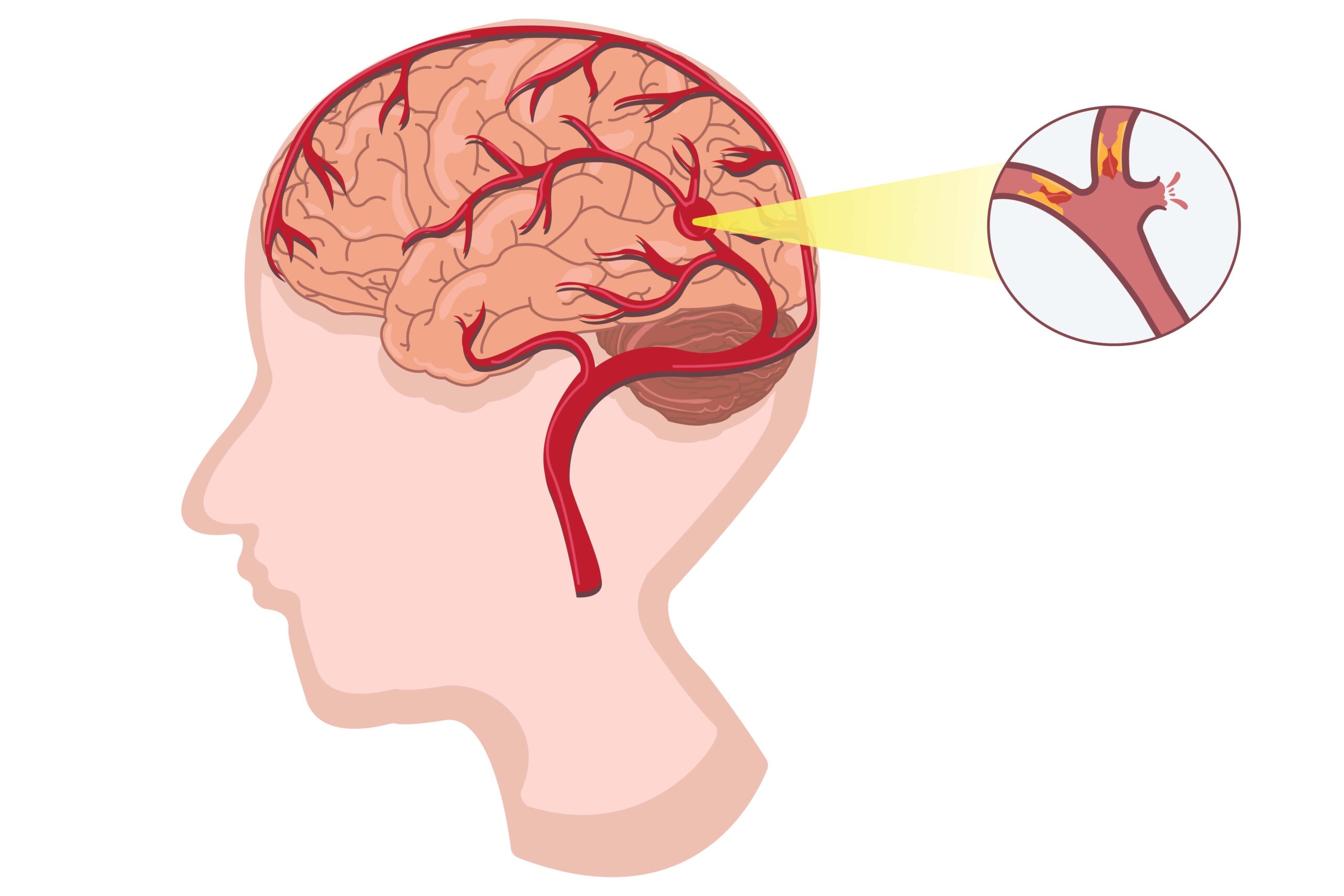
A brain aneurysm occurs when a blood vessel in the brain develops a weak area in its wall, causing it to bulge. You can think of it like a small balloon or blister on the side of the vessel. In some cases, these aneurysms remain stable and never cause symptoms. But in others, the bulge can rupture, leading to bleeding in the brain — a medical emergency known as a subarachnoid hemorrhage.

The challenge? Brain aneurysms can exist for years without warning signs. And yet, when they rupture, they can be deadly within minutes. This is why awareness is crucial — because when it comes to aneurysms, early detection and rapid action save lives.

The Numbers You Should Know

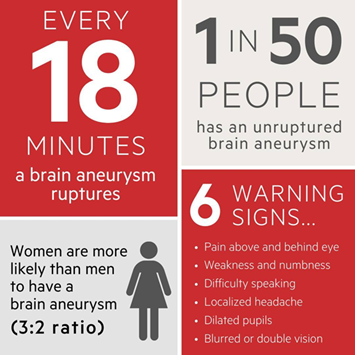
  • 1 in 50 people has an unruptured brain aneurysm (found in a study done in the US).
  • Each year, around 500,000 people worldwide die from brain aneurysms or their complications.
  • 50% of ruptures are fatal, and among survivors, about two-thirds suffer long-term neurological deficits.
  • Brain aneurysms are most common between the ages of 35 and 60, but they can occur at any age.
  • Women are more likely to develop aneurysms than men, by about a 3:2 ratio.

These are not just numbers — they represent friends, family members, and colleagues whose lives can change in an instant.

How a Brain Aneurysm Can Hide in Plain Sight

One of the most dangerous things about brain aneurysms is how they often blend into daily life. In my practice, I’ve seen patients who had subtle symptoms weeks or months before a rupture — symptoms that were mistaken for stress, fatigue, or eye strain.

Common Warning Signs (Before Rupture)

  • Persistent headaches, often localized behind the eyes or at the back of the head.
  • Vision changes — blurred vision, double vision, or trouble focusing.
  • Neck pain or stiffness that doesn’t improve.
  • Drooping eyelid or changes in pupil size.
  • Tingling or weakness on one side of the face or body.

These signs may not always mean you have a brain aneurysm, but they should never be ignored, especially if they are new, sudden, or severe.

The “Thunderclap” — When a Rupture Happens

When a brain aneurysm bursts, it’s often described as the worst headache of your life — sudden, intense, and unlike anything you’ve ever felt. Other symptoms of rupture include:

  • Sudden nausea and vomiting
  • Loss of consciousness (even for a brief moment)
  • Seizures
  • Trouble speaking or understanding speech
  • Sudden confusion or disorientation

In these moments, every second counts. Immediate medical attention can mean the difference between survival and fatality.

Everyday Factors That Raise the Risk

It’s easy to think of brain aneurysms as rare events that “happen to other people.” But the truth is, everyday lifestyle choices and health conditions can quietly increase your risk:

  • High blood pressure — often from stress, poor diet, or lack of exercise.
  • Smoking, which weakens blood vessel walls.
  • Excessive alcohol consumption.
  • Drug abuse, particularly cocaine or amphetamines.
  • Family history — a close relative with a brain aneurysm increases your own risk.

Even something as simple as ignoring regular health check-ups can allow silent risks to go unnoticed.

Relatable Scenarios — Why Awareness Matters

Imagine you are at work, and you feel a sudden, severe headache accompanied by blurred vision. You tell yourself, “I’ve been staring at the computer too long.” Or maybe you wake up with neck stiffness and chalk it up to a bad pillow.

In many cases I’ve treated, these small, everyday moments were early warning signs — but by the time the patient sought help, the aneurysm had ruptured.

The takeaway? Don’t ignore your body’s alarms. It’s better to get checked and find nothing than to wait until it’s too late.

Early Detection is Possible

The good news is that modern imaging techniques like MRI, CT angiography, and digital subtraction angiography can detect aneurysms before they rupture.
At Fortis Hospital, Mohali, our Neurointerventional Neuroradiology team uses advanced imaging and minimally invasive procedures like:

  • Endovascular coiling — sealing off the aneurysm from the inside.
  • Surgical clipping — placing a clip at the base to stop blood flow into it.

Both treatments are highly effective when the aneurysm is caught in time.

How You Can Protect Yourself

  • Know your family history — If a parent or sibling had an aneurysm, discuss screening with your doctor.
  • Manage your blood pressure — through a healthy diet, regular exercise, and stress management.
  • Quit smoking — this is one of the most important steps you can take for vascular health.
  • Limit alcohol — excessive drinking increases your risk.
  • Don’t ignore symptoms — even if they seem small.
  • Schedule regular check-ups — prevention starts with knowing your numbers (BP, cholesterol, sugar levels).

Brain aneurysms may be silent, but awareness can give them a voice before it’s too late. Share this knowledge with your friends and family — it could save a life.

If you have concerns or a family history of brain aneurysms, consult us for screening, diagnosis, and treatment.

Categories
Uncategorized

Mini-Strokes (TIAs): Small Episodes, Big Warnings

A mini-stroke, medically known as a Transient Ischemic Attack (TIA), may last only a few minutes, but its impact can be lifelong. Though the symptoms of a TIA disappear quickly, it serves as a critical warning of a future full-blown stroke. According to Dr. Vivek Gupta, recognizing the signs of a mini-stroke early and taking preventive action can be lifesaving.

What Is a TIA?

A TIA occurs when there’s a temporary blockage in the blood flow to the brain. Unlike a full stroke, the blockage in a TIA clears up on its own without causing permanent damage. However, TIAs are not harmless—they are neurological emergencies that should never be ignored.

Recognizing TIA Warning Signs

The symptoms of a mini-stroke are similar to those of a major stroke but are short-lived, typically lasting less than an hour. Common TIA warning signs include:

  • Sudden numbness or weakness in the face, arm, or leg (especially on one side)
  • Trouble speaking or understanding speech
  • Sudden vision problems in one or both eyes
  • Difficulty walking or loss of balance
  • Confusion and dizziness

If you experience any of these brain attack symptoms, seek medical help immediately—even if they go away quickly.

What Causes a Mini-Stroke?

TIAs are commonly caused by:

  1. Blood clots that temporarily block a blood vessel in the brain
  2. Atherosclerosis, or plaque buildup in the arteries
  3. High blood pressure, high cholesterol, and diabetes
  4. Irregular heart rhythms, such as atrial fibrillation
  5. Smoking and lack of physical activity

Understanding the risk factors for mini-strokes helps in planning prevention.

How Are TIAs Diagnosed?

Though symptoms resolve quickly, diagnosis is critical. Doctors often use:

  • Brain imaging (MRI or CT scans)
  • Carotid ultrasound to check for blockages
  • Blood tests for clotting issues and cholesterol
  • Heart tests (ECG or echocardiogram)

Early TIA diagnosis ensures timely intervention to reduce future stroke risk.

Treatment and Prevention

Treatment focuses on minimizing stroke risk:

  1. Medications: Blood thinners or antiplatelets
  2. Lifestyle changes: Healthy diet, quitting smoking, regular exercise
  3. Medical procedures: In severe cases, surgery to clear blocked arteries

Following these stroke prevention tips can drastically reduce the chance of a full stroke.

TIAs are small episodes with big warnings. They’re your body’s red alert that something needs to change. If you or a loved one experiences even mild symptoms, act fast. Prompt medical attention could prevent a life-altering stroke.

Protect your brain before it’s too late—schedule a consultation with us for personalized guidance and support.

Categories
Uncategorized

Emergency Response: What to Do When Someone Has a Hemorrhagic Stroke


A hemorrhagic stroke occurs when a weakened blood vessel ruptures and bleeds into the brain. Unlike ischemic strokes, which are caused by clots, a hemorrhagic stroke is a medical emergency involving a brain bleed. Immediate action is critical to limit brain damage and increase the chance of survival. According to Dr. Vivek Gupta, recognizing the signs early and responding promptly can significantly improve outcomes.

Knowing what to do during a hemorrhagic stroke can make all the difference. Let’s walk through the essential steps of emergency response.

Recognizing a Hemorrhagic Stroke

The symptoms of a hemorrhagic stroke can come on suddenly and be severe. Common signs include:

  • Sudden, severe headache
  • Loss of consciousness or confusion
  • Weakness or numbness on one side of the body
  • Difficulty speaking or understanding speech
  • Vision problems
  • Loss of balance or coordination
  • Nausea or vomiting

If you observe these signs, treat it as a stroke emergency and act fast.

First Aid for Hemorrhagic Stroke

Here’s what to do in a hemorrhagic stroke emergency before medical help arrives:

  1. Call Emergency Services Immediately

Dial emergency medical services. Time is crucial. Early medical intervention can reduce brain damage.

  1. Keep the Person Still and Calm

Prevent unnecessary movement. Let them lie down with their head slightly elevated. Avoid giving them food, drink, or medication unless directed by professionals.

  1. Monitor Their Breathing

If the person becomes unconscious, check for breathing. If they are not breathing or have no pulse, begin CPR if you’re trained.

  1. Note the Time Symptoms Began

Medical professionals need to know how long the symptoms have been present. This will help guide treatment decisions.

  1. Avoid Panic

Stay calm. Reassure the person if they’re conscious. Panic can worsen the situation for both you and the patient.

Why Quick Action Matters

A brain hemorrhage causes pressure and swelling that can rapidly damage brain tissue. Immediate medical care, which may include surgery or blood pressure management, is often needed to stabilize the patient. The faster you respond, the better the outcomes.

After the Emergency

Even after hospital care, patients often require stroke rehabilitation, which may include physical therapy, occupational therapy, and speech therapy to regain lost functions. Families also need guidance on how to support recovery at home.

For expert stroke care and emergency guidance, consult us!

Categories
Uncategorized

Carotid Stenosis: Causes, Symptoms, and Why Timely Treatment Matters

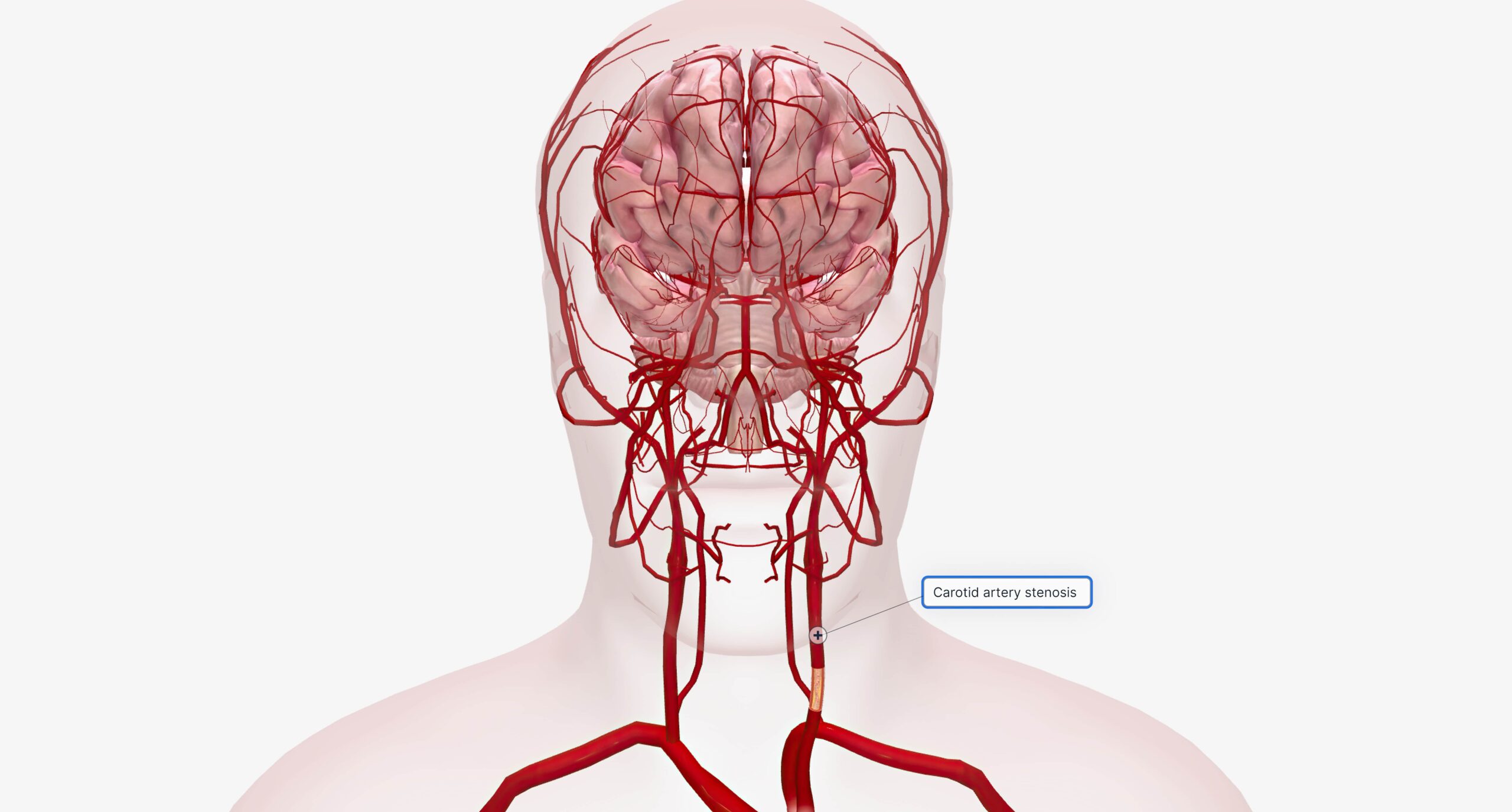
Carotid stenosis is a condition where the carotid arteries, which supply blood to the brain, become narrowed due to plaque buildup. This narrowing increases the risk of stroke and other vascular complications. Dr. Vivek Gupta emphasizes that understanding the causes, symptoms, and treatment options is crucial for early diagnosis and prevention.

What Causes Carotid Stenosis?

The primary cause of carotid artery disease is atherosclerosis, where fatty deposits (plaque) accumulate in the arteries. Several risk factors contribute to plaque buildup, including:

  1. High blood pressure (Hypertension) – Increases strain on artery walls.
  2. High cholesterol – Leads to plaque formation.
  3. Smoking – Damages blood vessels and accelerates atherosclerosis.
  4. Diabetes – Affects blood circulation and promotes plaque buildup.
  5. Obesity and lack of exercise – Contribute to poor vascular health.

Other factors, such as age, family history, and an unhealthy diet, can also increase the risk of developing carotid artery blockage.


Recognizing the Symptoms of Carotid Stenosis

Carotid stenosis may not show symptoms in its early stages, making regular checkups essential. However, as the condition worsens, it can lead to serious complications like a stroke. Common warning signs include:

  1. Transient ischemic attack (TIA) – A temporary stroke-like event.
  2. Sudden weakness or numbness – Especially on one side of the body.
  3. Blurred or lost vision – Often in one eye.
  4. Difficulty speaking or understanding speech.

If you notice any of these early signs of carotid stenosis, seek medical attention immediately.


How is Carotid Stenosis Diagnosed?

Timely diagnosis plays a key role in preventing severe complications. Doctors use several methods to detect carotid artery disease, including:


1 Carotid artery ultrasound – A non-invasive test to check for blockages.

2 CT or MRI angiography – Provides detailed images of the arteries.

3 Carotid auscultation – Listening for abnormal sounds in the arteries.

4 Digital Subtraction Angiography (DSA)


Treatment Options for Carotid Stenosis

Carotid stenosis treatment focuses on reducing stroke risk and improving vascular health. Depending on severity, treatment options may include:

  1. Lifestyle Changes and Medication

For mild to moderate cases, doctors recommend:

1 Healthy diet – Low in saturated fats and cholesterol.

2 Regular exercise – To maintain proper blood flow.

3 Medications – Such as blood thinners or statins to prevent clots.

  1. Carotid Endarterectomy (Surgical Treatment)

This surgical procedure removes plaque from the artery, restoring normal blood flow and reducing stroke risk.

  1. Minimally Invasive Carotid Treatment (Carotid Stenting)

Carotid stenting removes the narrowing by putting in a stent across the narrowed segment. It involves no cuts or scars on the neck.

Early diagnosis and treatment of carotid stenosis are essential to preventing life-threatening strokes. If you have risk factors like hypertension or high cholesterol, Schedule a consultation with us and take proactive steps to protect your brain and heart!

Categories
Uncategorized

Recovery After a Brain Hemorrhage: What to Expect

A brain hemorrhage is a serious medical condition that requires immediate treatment, but recovery is a journey that varies for each patient. According to Dr. Vivek Gupta, while some regain independence quickly, others may need long-term rehabilitation. Understanding what to expect during recovery after a brain hemorrhage can help patients and caregivers prepare for the challenges ahead.

The Road to Recovery: What to Expect

Recovery after a brain hemorrhage depends on several factors, including the severity of the bleed, the affected brain area, and how quickly medical treatment was received. Here are some key aspects of the healing process:

  • Physical Recovery and Rehabilitation

Many patients experience physical challenges such as weakness, balance issues, or partial paralysis. Physical therapy for brain hemorrhage patients plays a crucial role in regaining mobility and improving strength. Regular supervised exercises help patients restore movement and prevent complications like muscle stiffness.

  • Cognitive and Speech Rehabilitation

Depending on the location of the brain bleed, some patients may struggle with memory, concentration, or problem-solving skills. Cognitive recovery after a brain hemorrhage involves activities that stimulate brain function, such as puzzles, reading, and memory exercises.

If speech or communication is affected, speech therapy after a brain bleed can assist in regaining language skills and improving clarity in speaking. Speech therapists help patients practice articulation and comprehension exercises to enhance communication.

  • Emotional and Mental Recovery

The impact of a brain hemorrhage is not just physical—it also affects mental health. Patients may experience anxiety, depression, mood swings, or frustration as they adjust to lifestyle changes. Emotional and mental recovery from a brain hemorrhage often requires counseling, support groups, and mindfulness practices to cope with stress.

  • Managing Daily Life After a Brain Hemorrhage

Returning to daily activities can be challenging. Patients may need assistance with dressing, eating, or performing household tasks. Life after a brain hemorrhage involves adapting to new routines, using assistive devices, and gradually increasing independence. Occupational therapy helps patients develop strategies to perform daily tasks more easily.

  • Long-Term Effects and Continued Care

While some patients recover fully, others may experience long-term effects of a brain hemorrhage, such as difficulty with movement, speech, or cognitive function. Regular medical check-ups, a healthy diet, and an active lifestyle are essential for maintaining progress and preventing further complications.

Support for Patients and Caregivers

Caregivers play a vital role in the recovery process. Providing emotional support, assisting with therapy exercises, and encouraging social interaction can help patients stay motivated. Support and care after a brain bleed involve patience, understanding, and access to medical guidance.

Recovering from a brain hemorrhage takes time, effort, and the right support system. Every small milestone is a step toward better health. Whether through physical therapy, cognitive exercises, or emotional support, a well-rounded rehabilitation plan can make a significant difference. Looking for expert guidance on brain hemorrhage recovery? Contact us for personalized care and support!

Categories
Uncategorized

Ischemic vs. Hemorrhagic Stroke: Key Differences Explained

Stroke is a life-threatening medical condition that can have devastating effects on the brain and the body. It is essential to understand the two main types of stroke—ischemic and hemorrhagic—to improve early detection and treatment outcomes. Dr. Vivek Gupta emphasizes that while both types of strokes share similar symptoms, their underlying causes and treatment approaches are significantly different. Understanding these distinctions can play a critical role in minimizing the damage and improving recovery outcomes.

1. What is an Ischemic Stroke?

An ischemic stroke occurs when a blockage in one of the arteries leading to the brain restricts blood flow. The blockage could be due to a blood clot or fatty deposits, which prevent oxygen and nutrients from reaching the brain. This lack of blood flow can cause brain cells to die, leading to neurological damage.

Symptoms of Ischemic Stroke

The symptoms of ischemic stroke develop suddenly and can include weakness or numbness on one side of the body, confusion, trouble speaking, and difficulty seeing in one or both eyes. Time is critical in ischemic strokes—immediate medical attention can minimize brain damage and improve recovery chances.

Causes and Risk Factors for Ischemic Stroke

Ischemic strokes are often caused by conditions like atherosclerosis (hardening of the arteries), high blood pressure, diabetes, and heart disease. Risk factors include smoking, excessive alcohol consumption, and a sedentary lifestyle.

2. What is a Hemorrhagic Stroke?

In contrast to ischemic strokes, hemorrhagic strokes occur when a blood vessel in the brain ruptures and bleeds. This bleeding causes pressure on the brain, damaging the brain tissue. Hemorrhagic strokes can result from conditions such as high blood pressure, aneurysms, or head trauma.

Symptoms of Hemorrhagic Stroke

Symptoms of a hemorrhagic stroke often include a sudden severe headache, nausea, vomiting, and weakness or numbness on one side of the body. As the bleeding continues, it can cause coma or death if not treated promptly.

Causes and Risk Factors for Hemorrhagic Stroke

Hemorrhagic strokes are frequently associated with high blood pressure, brain aneurysms, arteriovenous malformations, and trauma. Risk factors include excessive alcohol use, certain medications, and a family history of stroke or brain aneurysms.

3. Key Differences Between Ischemic and Hemorrhagic Stroke

  • Cause: Ischemic stroke is caused by a blockage in an artery, while hemorrhagic stroke is caused by the rupture of a blood vessel.
  • Treatment: Treatment for ischemic strokes often involves clot-busting medications or endovascular surgery to remove the blockage. In contrast, hemorrhagic stroke treatment focuses on controlling the bleeding, managing the aneurysm promptly, and reducing pressure on the brain.
  • Symptoms: While both types of strokes share symptoms such as weakness and confusion, hemorrhagic strokes tend to cause severe headaches and vomiting due to increased pressure in the brain.

4. Preventing and Managing Stroke Risks

Preventing strokes involves controlling risk factors such as high blood pressure, diabetes, and high cholesterol. Lifestyle changes, including quitting smoking, eating a balanced diet, exercising regularly, and reducing alcohol intake, can reduce your risk of both ischemic and hemorrhagic strokes.

If you suspect someone is having a stroke, seeking immediate medical help is critical. Early diagnosis and treatment significantly improve outcomes, regardless of the type of stroke. Contact us for a thorough evaluation and prevention plan.